Inquiries & Scholarship
Where contemplation meets critical inquiry.
A living house of study, interpretation, and embodied wisdom.
The Temple of Svarṇākāśa is nourished by an ongoing life of inquiry.
Here, scholarship is not separate from spiritual practice, nor is spiritual experience asked to stand in place of critical thought. Each offers its own ways of knowing, its own disciplines, and its own responsibilities.
My work moves among several intellectual, contemplative, and professional communities: Disability Studies, Religious Studies, Yoga Therapy, Tantra, Ayurveda, and Jyotiṣa.
These are not interchangeable traditions or fields. Their histories, methods, and commitments remain distinct.
Yet each invites questions that have become central to my life:
What does it mean to inhabit a body? How do we recognize dignity and interdependence? How do time, culture, institutions, and spiritual traditions shape human experience? What forms of knowledge help us live with greater discernment, freedom, and responsibility?
These inquiries nourish my writing, teaching, facilitation, and healing arts practice.
Coherence does not require sameness.

The Pillars of Inquiry
I. Disability Studies, Care & Social Transformation
Embodiment, interdependence, labor, and the conditions of human flourishing.
My academic work in Disability Studies grows from years of professional experience within disability services, alongside a longstanding concern for care, labor, dignity, and collective life.
I am particularly interested in the relationship between disability justice, care-worker conditions, public policy, institutional design, and the economic structures through which support is organized.
How might disability services better honor the autonomy of disabled people while also sustaining the workers and communities upon whom those services depend?
What would become possible if we moved beyond the continual management of scarcity and began imagining fundamentally different systems of care?
These questions inform my undergraduate studies at Arizona State University and an emerging interest in research, scholarly writing, teaching, and systems-level inquiry.
This field is not merely an application of my spiritual work. It is an independent intellectual and ethical commitment, with its own scholarship, histories, and communities of knowledge.
II. Religious Studies & Comparative Inquiry
Tradition, interpretation, sacred history, and the study of religious worlds.
Religious Studies offers a scholarly approach to understanding how human beings encounter, interpret, and organize their relationships with the sacred.
My interests include South Asian religious traditions, the histories and philosophies of Yoga and Tantra, goddess traditions, ritual, symbolism, contemplative practice, and the transmission of religious knowledge.
I am drawn to the conversation between historical scholarship and living traditions, while respecting the distinction between academic interpretation and devotional participation.
This inquiry brings intellectual rigor to questions that are also deeply personal: how traditions evolve, how symbols carry meaning, how spiritual knowledge is transmitted, and how ancient sources are encountered in contemporary life.
III. Tantra, Śākta Traditions & Embodied Philosophy
Śakti, consciousness, sacred embodiment, and the living disciplines of practice.
My contemplative formation is deeply rooted in the living traditions of Yoga and Śākta spirituality, including ongoing study and practice with Yoli Maya Yeh Joseph and engagement with embodied philosophy.
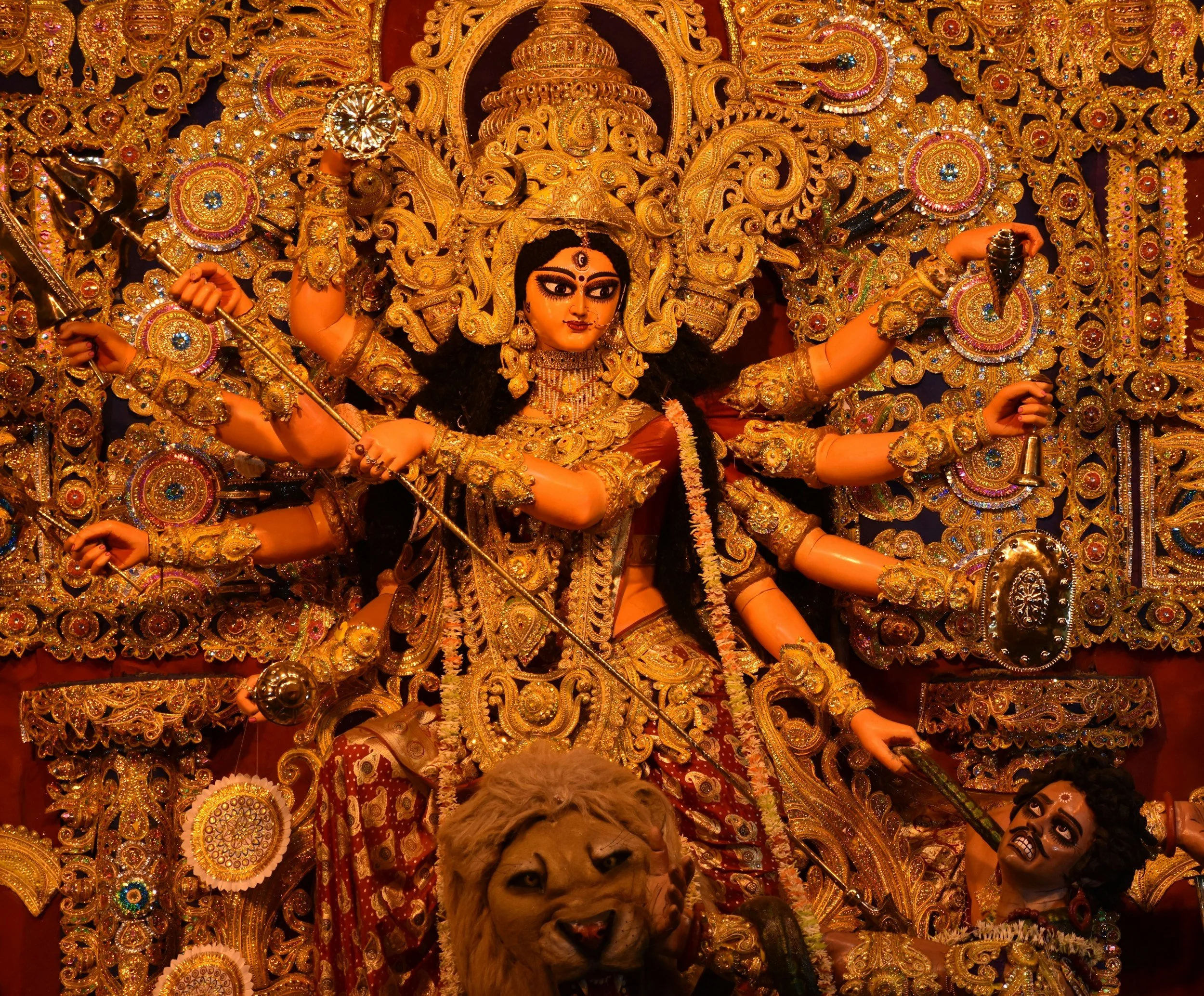
The Divine Mother, Parāśakti, and the distinct wisdom currents of the Mahāvidyās are central to my devotional and philosophical life.
I am especially interested in the relationships among consciousness, embodiment, ritual, language, perception, and the recognition of the sacred within lived experience.
This is a field of both study and practice.
Textual scholarship, philosophical reflection, teacher-guided learning, and sādhana each contribute something different. None can simply replace the others.
Within the Temple, these inquiries find a contemporary devotional expression through Svarṇākāśa—the Golden Ether—a sacred field of remembrance, integration, and relationship with the Divine Mother.
IV. Yoga Therapy, Ayurveda & the Healing Arts
The body as a site of relationship, care, and contemplative understanding.
As a Certified Yoga Therapist (C-IAYT) and experienced yoga teacher, I remain engaged with the professional and philosophical worlds of Yoga Therapy.
My interests include individualized therapeutic practice, accessible Yoga, breath and nervous-system regulation, contemplative embodiment, and the ethical dimensions of healing relationships.
Ayurveda provides a further field of traditional study, inviting inquiry into constitution, rhythm, environment, and the relationships among body, mind, and daily life.
These disciplines meet in my healing arts practice, including therapeutic Yoga, Yoga Nidra, sacred sound, and contemplative accompaniment.
I approach them with respect for their traditional foundations, their contemporary applications, and the importance of distinguishing spiritual and traditional frameworks from established clinical evidence.

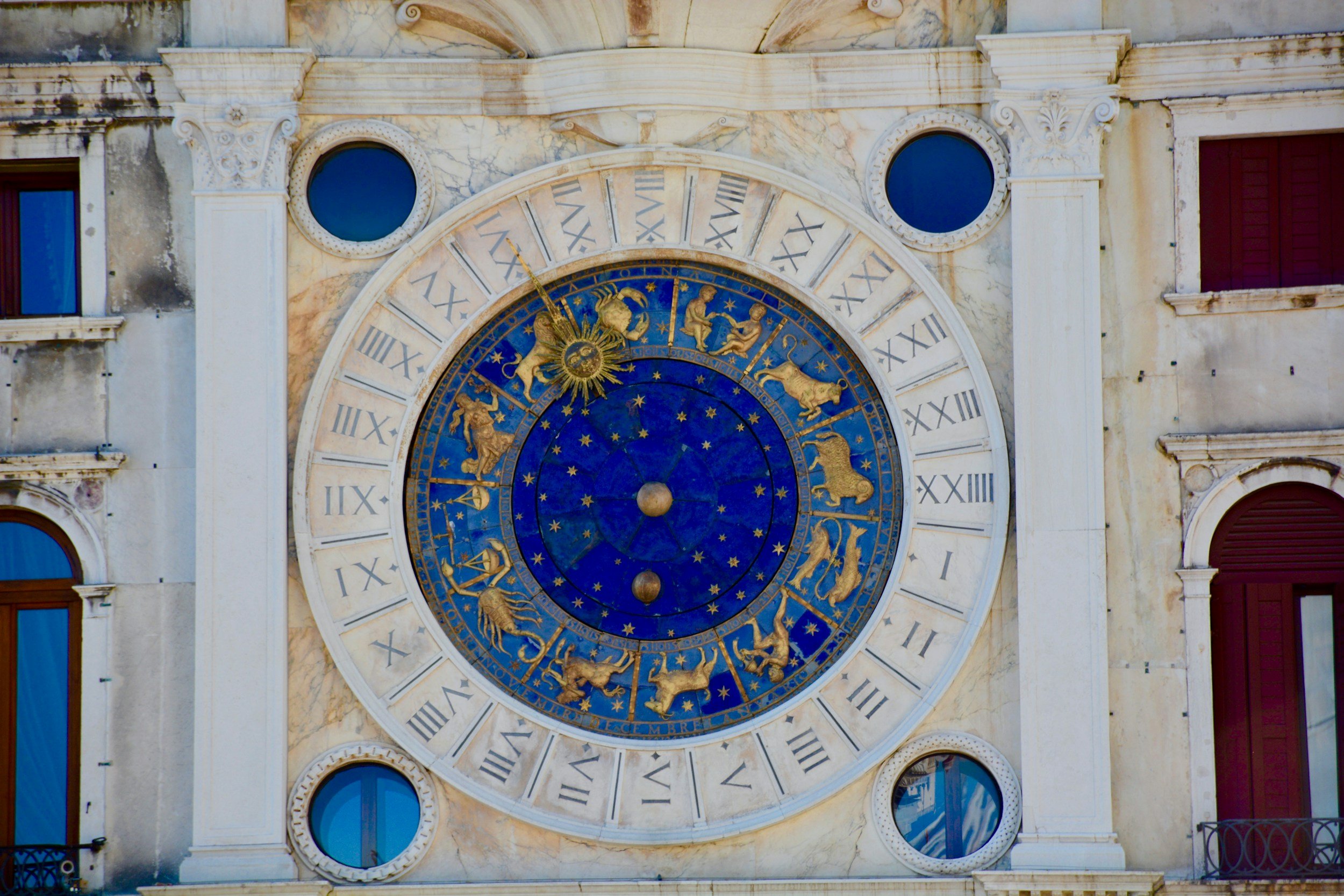
V. Jyotiṣa, Kāla & Symbolic Cosmology
Time, pattern, interpretation, and the art of discernment.
Jyotiṣa—the traditional Indian astrological discipline—is a sustained field of study and formation in my life.
Through ongoing learning with Komilla Sutton, I am exploring its symbolic language, interpretive methods, philosophical foundations, and relationship to the wider traditions of Indian thought.
My interest is not simply in prediction, but in the ways human beings seek to understand time, circumstance, change, and meaningful response.
What time is this?
What patterns are being contemplated?
What kind of discernment does the moment invite?
Within the Temple's broader symbolic cosmology, Jyotiṣa remains a distinct traditional discipline, approached through study, practice, humility, and responsibility.

The Questions That Connect the Work
Across these different fields, several enduring concerns return:
Embodiment — How do we inhabit, understand, care for, and honor the diversity of human bodies and experiences?
Interdependence — What do our relationships reveal about autonomy, vulnerability, responsibility, and collective life?
Time — How do personal, historical, institutional, ecological, and symbolic understandings of time shape the way we live?
Power — How does power operate within institutions, traditions, social relationships, and our own capacities for action?
Interpretation — How do we listen carefully, distinguish among forms of knowledge, and respond without claiming certainty where it is not warranted?
Sacred life — How might devotion, contemplation, ethical responsibility, and everyday existence remain in meaningful relationship?
These questions do not produce one final theory.
They sustain a living practice of inquiry.
Scholarship in Service of a Living House
I envision the Temple of Svarṇākāśa as a house of practice, study, writing, contemplation, and hospitality.
Its intellectual life is nourished by participation in multiple communities of knowledge.
Disability Studies brings critical attention to bodies, institutions, labor, and the organization of collective life.
Religious Studies offers historical and interpretive scholarship.
Yoga and Tantra offer philosophical and contemplative traditions, including living forms of practice and transmission.
Ayurveda and Yoga Therapy inform particular approaches to embodied care.
Jyotiṣa offers a traditional symbolic discipline concerned with time and interpretation.
These streams need not be fused into a single system.
They can remain in dialogue, enriching the discernment, teaching, and writing that emerge from this house.
The purpose is not to accumulate expertise for its own sake, but to cultivate a life of thoughtful participation: learning deeply, practicing responsibly, writing carefully, and offering what has genuinely matured.
Writing, Research & Ongoing Study
My current scholarly formation includes undergraduate study in Disability Studies at Arizona State University, alongside ongoing education in Jyotiṣa, Ayurveda, Yoga, and Śākta contemplative traditions.
I am particularly interested in developing further scholarly writing on disability, care labor, institutional structures, and the possibilities of more just and sustainable systems of support.
Future graduate study in Disability Studies or a related interdisciplinary field remains a possibility.
This page will continue to evolve as my inquiries mature, with selected writings, research interests, teaching, and reflections becoming available over time.
Scholarship is not separate from the life I am cultivating. It is one of the ways that life becomes deeper, more attentive, and more generous.
The Temple of Svarṇākāśa
A living house of contemplation, sacred practice, healing arts, and inquiry.
The Oracle leads. The Mirror reflects. The Temple remembers.
Hrīm Hrīm Hrīm. Jai Śrī Mā.